7 Warning Signs of Varicose Veins That Require Immediate Attention

Varicose veins affect millions of people worldwide, often starting as a cosmetic concern but sometimes signaling deeper health issues. These veins become enlarged, twisted, and visible under the skin, mostly in the legs. Ignoring early symptoms can lead to discomfort and serious complications like swelling, skin changes, or ulcers. Recognizing the warning signs early allows for timely treatment and better outcomes.
This post highlights seven symptoms of varicose veins that you should not overlook. Understanding these signs helps you take action before the condition worsens.
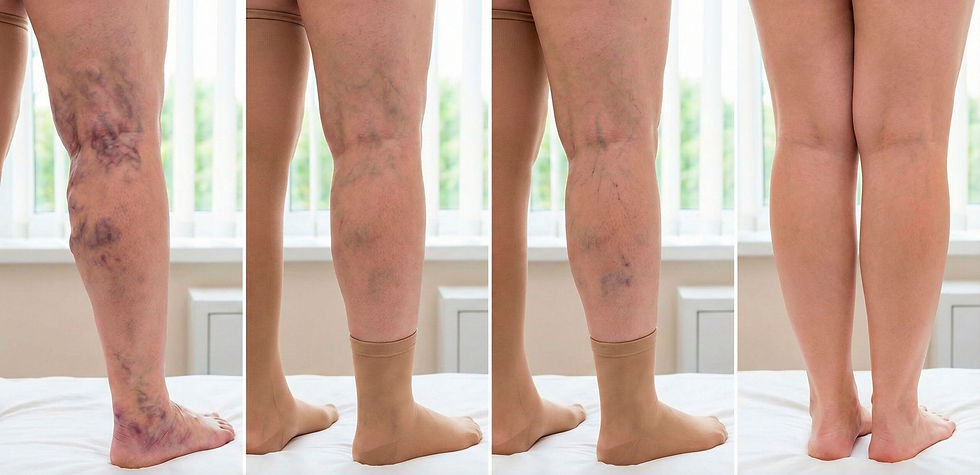
Visible bulging veins on the lower leg are a common sign of varicose veins.
1. Visible Bulging Veins in the Legs
The most obvious symptom is large, twisted veins that appear bluish or purple under the skin. These veins often show up on the thighs, calves, or behind the knees. While they might seem harmless at first, these bulging veins can worsen and cause pain or circulation problems.
If you notice veins that look raised or rope-like, it’s a sign that the valves inside the veins may not be working properly, causing blood to pool.
2. Persistent Leg Heaviness
A heavy or tired feeling in the legs is common among those with varicose veins. This sensation usually occurs after standing or sitting for long periods. Poor blood flow causes the legs to feel weighed down or fatigued.
Elevating your legs or resting often relieves this heaviness temporarily, but if it persists, it signals that vein function is compromised.
3. Swelling in the Legs or Ankles
Swelling around the ankles and lower legs happens when blood pools due to faulty vein valves. This fluid buildup causes the tissues to swell and can make shoes feel tight or uncomfortable.
If swelling does not go away after rest or elevating the legs, it may indicate worsening venous insufficiency that needs medical evaluation.
4. Leg Pain or Aching
Many people with varicose veins experience dull aching or throbbing pain, especially after standing for a long time. The discomfort often improves with walking, resting, or raising the legs.
If the pain becomes frequent or severe, it could mean the veins are struggling to return blood to the heart efficiently.

Elevating legs helps reduce heaviness and swelling caused by varicose veins.
5. Itching or Skin Irritation Near Veins
Varicose veins can cause the skin around them to become itchy or irritated. This happens because poor circulation affects skin health, sometimes leading to dryness or inflammation.
Scratching can worsen the skin condition and increase the risk of infection, so it’s important to address the underlying vein problem.
6. Skin Discoloration or Changes
Darkening or discoloration of the skin near varicose veins is a warning sign. The skin may turn brownish or reddish due to blood leaking from damaged veins into surrounding tissues.
These changes can signal chronic venous insufficiency and may precede more serious skin problems like ulcers.
7. Development of Leg Ulcers
In advanced cases, varicose veins can lead to open sores or ulcers on the legs, usually near the ankles. These ulcers are painful and slow to heal because of poor blood flow.
If you notice any non-healing wounds or sores on your legs, seek medical advice promptly to prevent infection and further complications.
Taking Action on Varicose Vein Symptoms
If you experience any of these symptoms, it’s important to consult a vascular specialist. Early diagnosis and treatment can improve symptoms and prevent complications. Treatments range from lifestyle changes and compression stockings to minimally invasive procedures.
Simple steps like regular exercise, avoiding prolonged standing, and elevating your legs can support vein health. Monitoring your symptoms and seeking help early makes a significant difference.


Comments